A Service Level Agreement Means More Than On-Time Delivery
Most procurement and operations teams judge a shipping company on one question: Did the truck show up on time? That always matters, of course. But measuring a carrier solely by its punctuality misses a lot of what makes a freight partnership actually work. At C & S Transportation, we know that clear, written expectations protect your business far better than fast driving alone. A solid service level agreement (SLA) is the operational playbook for how two companies will work together every single day.
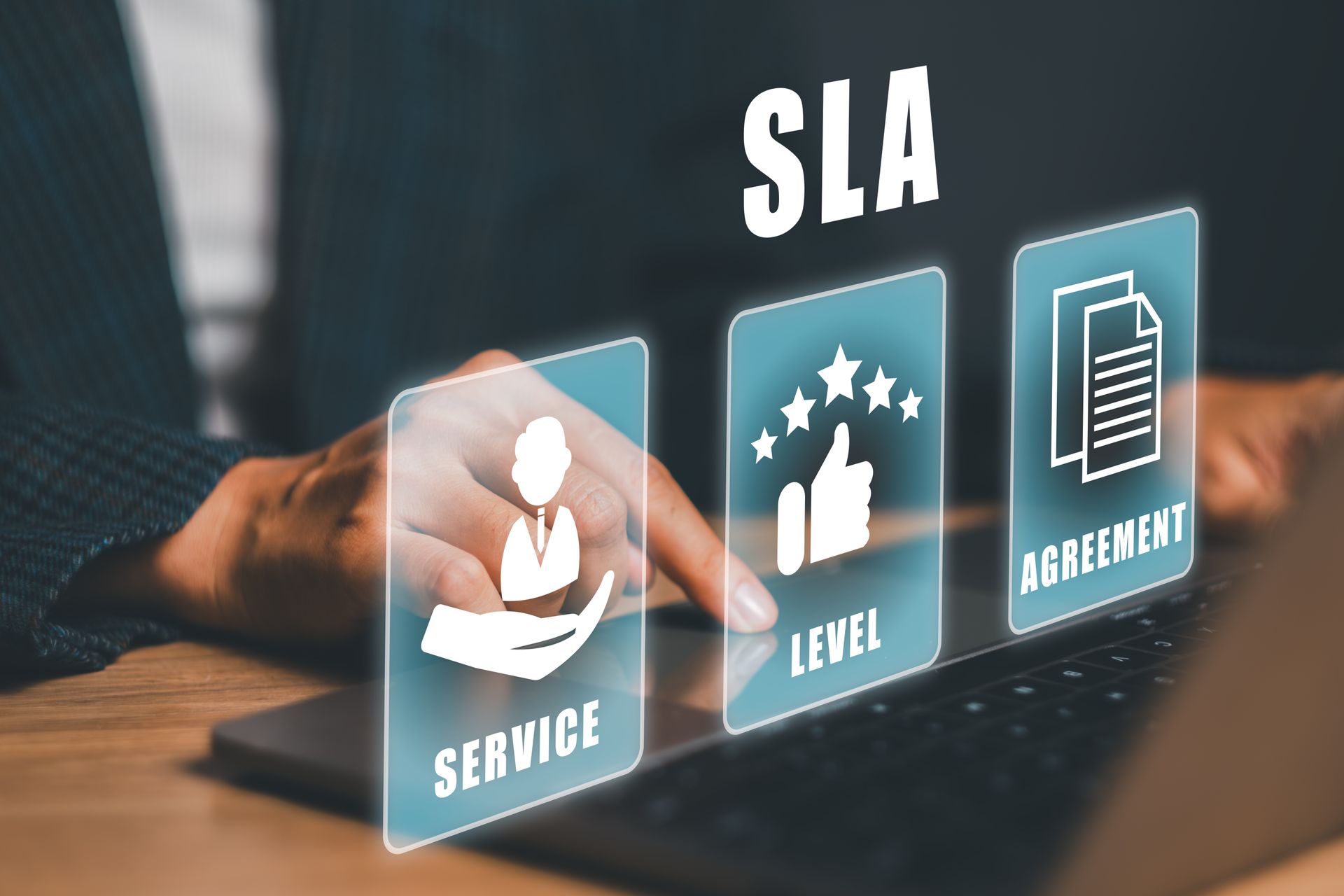
Carriers without a real SLA in place cause problems unrelated to delivery windows. Lost paperwork, ignored calls, confusing invoices: these obstacles eat up your team's time and create downstream headaches across your whole operation. When an SLA is missing or vague, your staff ends up absorbing the workload that your logistics partner should own.
What a Service Level Agreement Means for Your Operations
An SLA is more than an arrival time. A well-written agreement covers how your freight is handled, how cargo documentation flows, and the protocols your carrier follows within your facilities. It should spell out exactly how crews interact with your warehouse, what standards apply to inventory accuracy, and who is responsible at each step.
When a transportation partner commits to specific, measurable goals at every stage of the shipment, your warehouse team can plan supply chain details with real confidence. That kind of clarity prevents loading dock delays and the surprise accessorial charges that show up at distribution centers when handoffs go sideways.
What a Strong SLA Requires from Communication Protocols
Disruptions happen. Bad weather, traffic, and mechanical breakdowns aren’t avoidable. What separates a good logistics partner from a bad one is what they do next. A quality SLA defines precise response timelines, including how quickly your team gets notified, what information is shared, and what steps the carrier takes to minimize impact.
C & S Transportation communicates delays promptly and follows detailed contingency plans to prevent small problems from becoming expensive emergencies for your operation.
How Monitoring a Service Level Agreement Drives Real Accountability
An SLA is only as good as the process behind it. Without consistent tracking, even a well-written agreement just becomes a document that sits in a drawer. Ongoing monitoring of service goals helps reveal patterns before they become breakdowns, identifying which lanes, carriers, or handoff points are underperforming before your customers feel it.
At C & S Transportation, we study client shipping histories and analyze cost and service trade-offs as part of our logistics management process. Regular performance reviews turn your SLA into a living tool rather than a one-time document, giving both sides a clear baseline for continuous improvement.
Partner with a 3PL That Builds SLAs Around Your Business
A tight operation needs an SLA built around total quality, not just an arrival time. Talk to the team at C & S Transportation about setting clear service expectations that protect your daily operations and support long-term growth. Contact us in Nicholasville, KY, for coast-to-coast service across the United States.