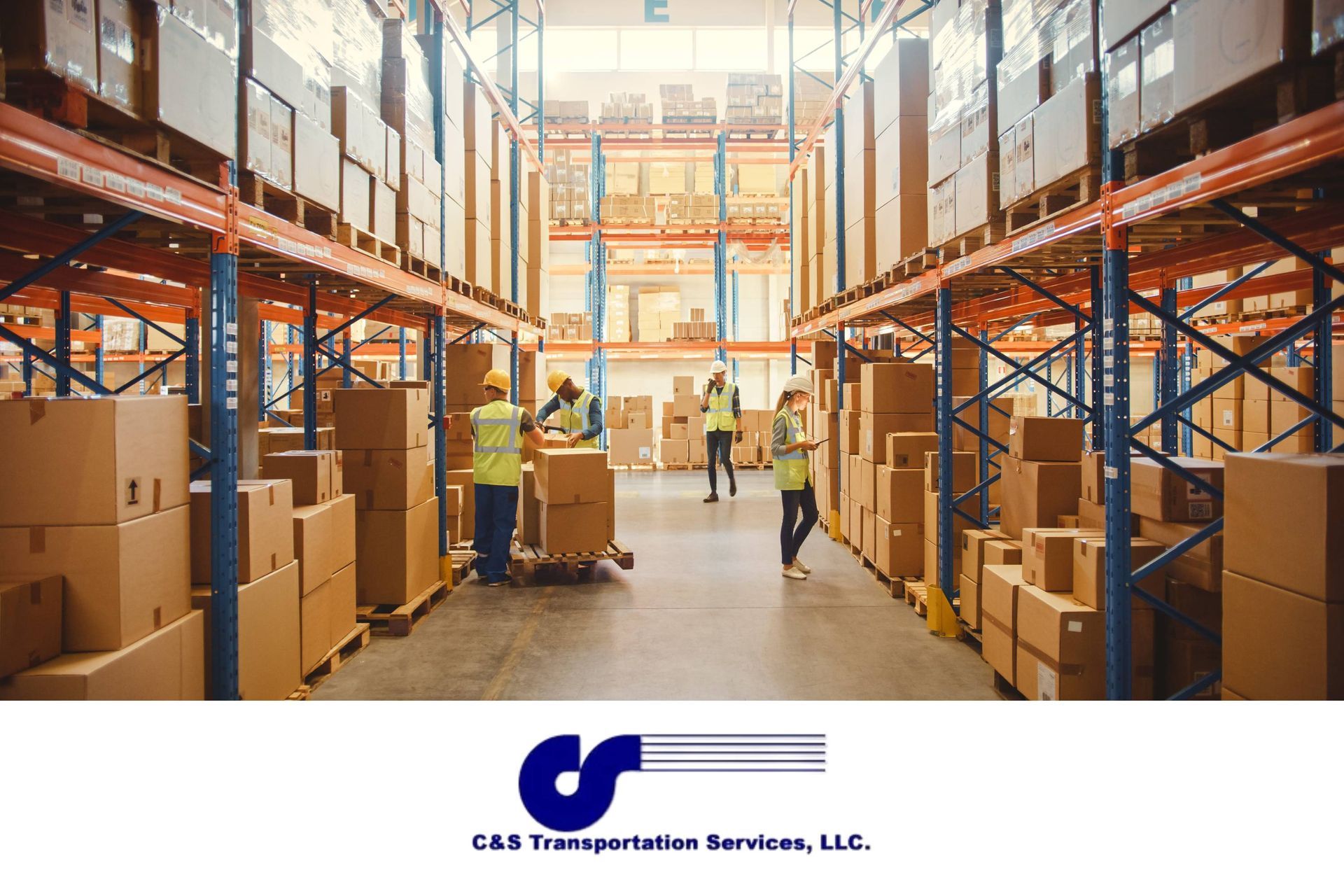
What is Drayage and 3PL Drayage Shipping Through Ports?
When cargo ships arrive at ports, important next steps occur before the cargo reaches its final destinations. This process is called drayage; it's like landing at an airport and needing a ride to the hotel.
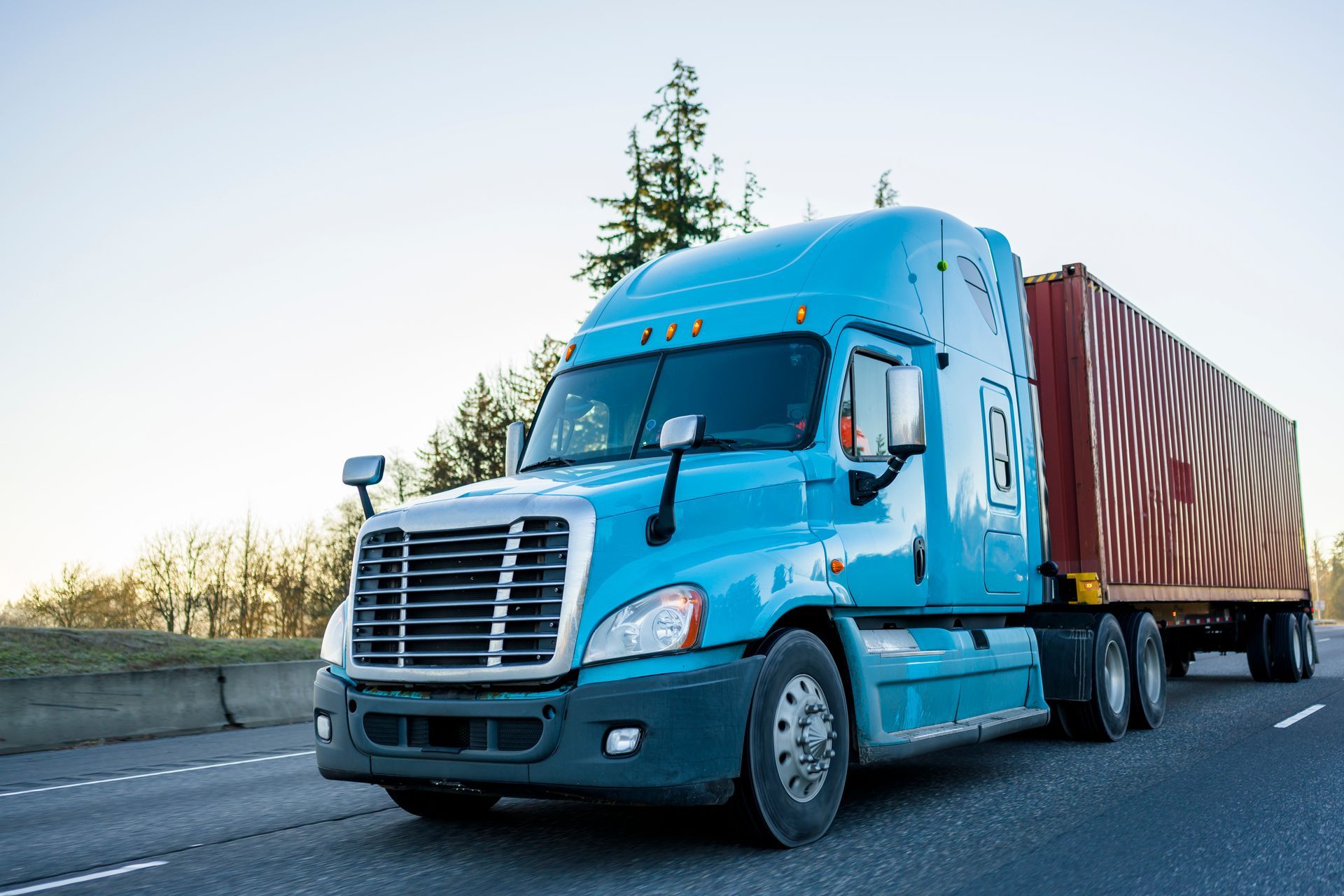
As you can imagine, this is a highly detailed operation. Fortunately, third-party logistics (3PL) companies like C & S Transportation offer this service, efficiently moving the cargo from the port to its next destination.
Port Meaning and Terminal Definition, Explained
Ships dock to load and unload international cargo at ports. Categorized under maritime facilities, ports link water-based transportation with land
distribution systems, as handoff points between ships and trucks or trains.
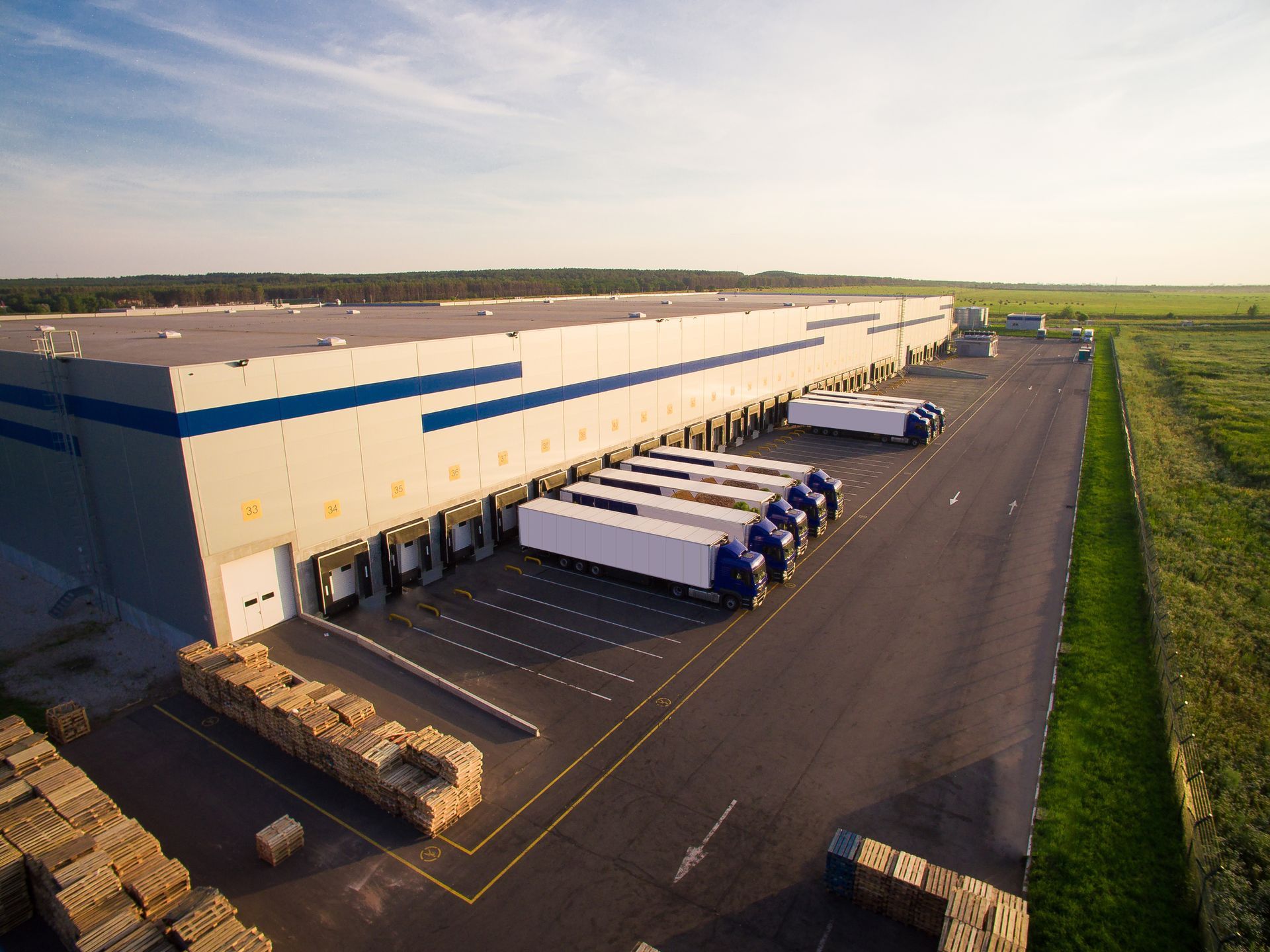
At each port, you'll find container terminals — designated areas where shipping containers are stored, sorted, and transferred. Here we find gantry cranes, those huge cranes that lift containers off ships and onto trucks. The chassis pools are parking areas filled with chassis (the wheeled frames that containers sit on), ready to be hitched to trucks for transport. There are also inspection stations where containers get checked before they leave.
What Is Drayage in Shipping?
Drayage is basically the process of transporting goods over short distances, typically within the same metro area. It's usually about moving containers from port terminals to nearby warehouses, distribution centers, or rail facilities (no more than 50-100 miles away).
The drayage process varies, but typically involves these steps.
- A drayage carrier gets an order to pick up a container or shipment. They send a driver to pick up the cargo using a specialized chassis or truck.
- Before the cargo is transferred to the driver, they must provide documentation, including regulatory documents and freight invoices; compliance with port authority and customs regulations is critical.
- After approval, the cargo is loaded onto the vehicle. Proper handling must be prioritized at this stage.
- Once the cargo is securely loaded, the drayage vehicle heads to its destination. The timing must align to keep the supply chain on track, especially if the next stop is not the final one.
- The final delivery involves unloading; the carrier must complete final documentation.
What Are Demurrage Fees?
Demurrage fees are penalties for leaving containers at the terminal too long. Shipping lines give importers about 3 to 5 free days to retrieve cargo after the vessel unloads, and once that window closes, daily charges apply.
The terminal handling charge covers the labor and equipment needed to move containers within the port facility. This fee pays for cranes, machinery, and workers who unload containers from ships and position them for pickup. Additional costs include container seals, weight verification (VGM), customs requirements such as China's CCAM pre-reporting, wharf usage fees, and other handling and transportation services between terminals and warehouses.
How C & S Transportation Saves Clients Money on Drayage Services
As a 3PL provider, C & S Transportation manages drayage for businesses. Our logistics specialists coordinate container pickups, handle customs paperwork, and arrange timely delivery to client facilities.
Working with us offers real advantages. We have relationships with multiple carriers, which gives us flexibility during capacity crunches. We're also familiar with port-specific regulations and help clients sidestep costly delays. Plus, we provide real-time shipment tracking from terminal gates to warehouse doors.
Partner with C & S Transportation for 3PL Drayage
C & S Transportation handles port logistics and has the experience and connections to save you time and money. Our team manages container movements, terminal complexities, and tight delivery windows while keeping you informed during the process. We turn port congestion and confusing fees into straightforward solutions that keep your supply chain running. Contact us in Nicholasville, KY, for coast-to-coast service in the United States.