Multimodal Solutions and Container Types
Multimodal solutions move freight by two or more modes, such as plane, ship, train, and truck, and each handoff depends on the right equipment. Below, we cover different types of multimodal transport, the containers they use, and how container choice affects cost and speed. C & S Transportation manages multimodal logistics for nationwide and international shipments from Nicholasville, Kentucky. We’ve put together this guide to illustrate how transport and equipment choices impact domestic and overseas freight.
Types of Multimodal Transport and Containers
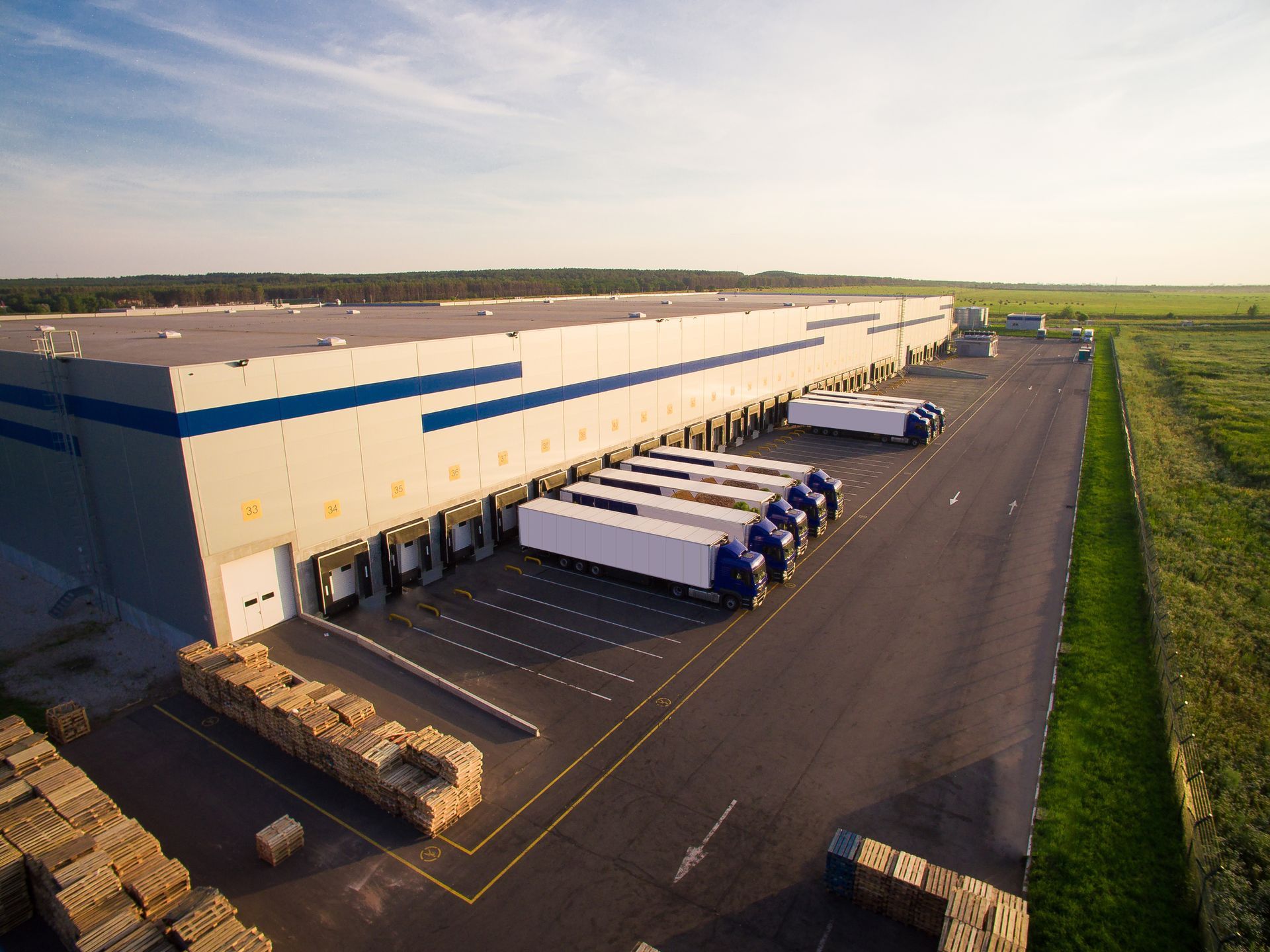
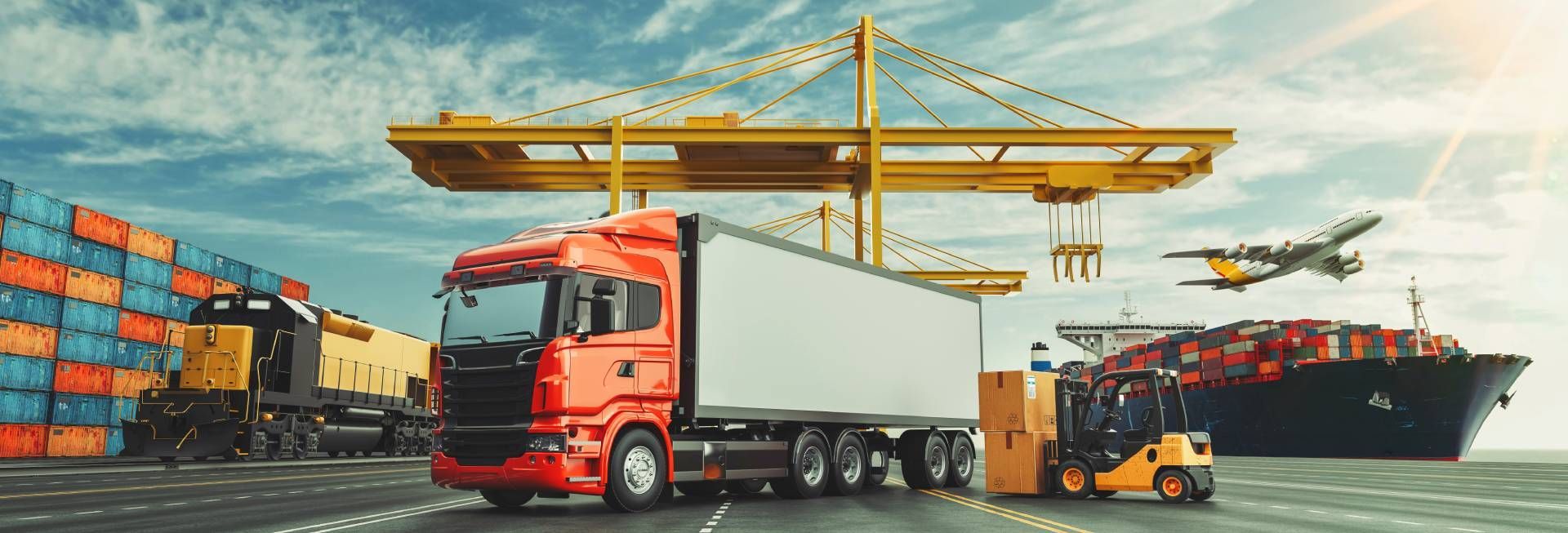
Each type of multimodal transport relies on different equipment. Trucks haul freight in enclosed dry vans for dry cargo, on open flatbeds for machinery and other heavy equipment, and in refrigerated trailers for fresh produce. Trucks also handle short hauls between warehouses, rail terminals, and ports.
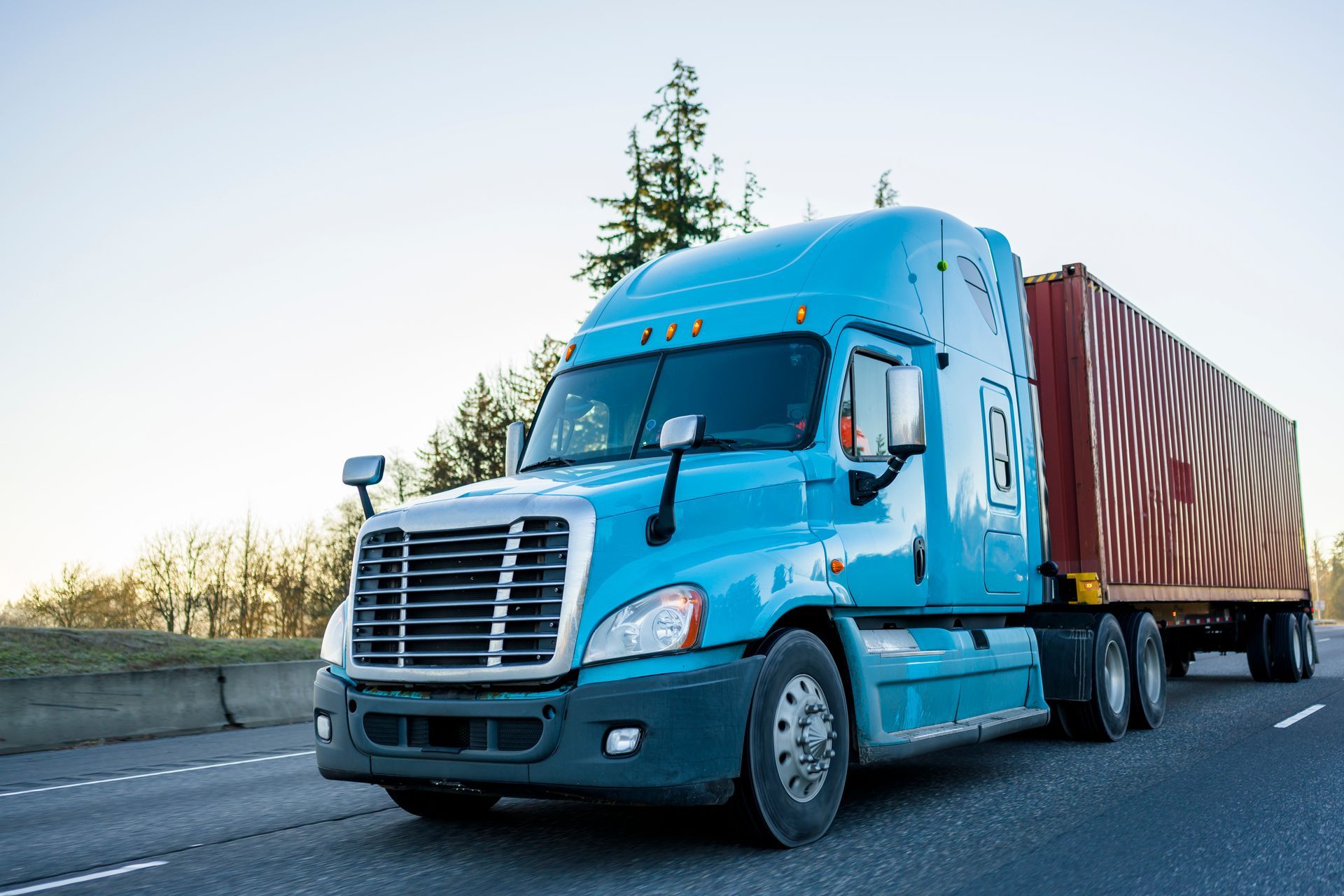
Rail carries both containers and truck trailers. A container can move from a truck to a train without unloading, and railroads can double-stack containers, which they can't do with trailers.
Ocean freight uses containers marked with an ISO code that identifies their length, height, and type. Dry containers, the most common type, hold pallets and boxes that don't require temperature control and come in 20-foot and 40-foot lengths, among others. Reefers carry temperature-sensitive goods, while flat-rack and open-top containers handle oversized cargo that won't fit through a standard door. Because ships, trains, and trucks can move the same container without unloading it, freight can change modes efficiently.
Air cargo travels in unit load devices, which are aircraft containers or pallets secured with nets. Because air freight prioritizes speed, urgent or high-value goods typically travel this way.
How Multimodal Container Choice Affects Cost and Speed
Choosing the right multimodal container starts with the cargo, and each option involves trade-offs:
- Standard dry containers hold palletized or boxed freight that does not require temperature control.
- Refrigerated containers carry temperature-sensitive goods, but the energy required to maintain the temperature can raise the price.
- Flat-rack and open-top containers hold oversized cargo, so plan extra time for loading from the sides or from above.
- Forty-foot containers offer twice the length of 20-foot containers, which suits larger loads, while 20-foot containers fit smaller ones.
A common mistake is booking a dry container for cargo too large to load through its doors. Open-top and flat-rack containers are better suited for that purpose. After delivery, reviewing carrier invoices against your negotiated rates through a freight audit helps keep freight spending honest.
What Happens at Each Multimodal Handoff
Each mode change typically brings a new terminal, fresh paperwork, and sometimes a new customs process. In multimodal shipping, one carrier remains liable for the goods from pickup to delivery, so you work under one contract with a single tracking number rather than contacting a separate carrier for each leg. If a problem arises along the route, one designated carrier handles it, so a missing container means one call instead of several.
Multimodal Solutions from C & S Transportation
Multimodal solutions depend on the right container at every stage of a truck, rail, air, or ocean journey. C & S Transportation offers multimodal transportation alongside rail transit, air charter, and ocean container services, plus LTL freight and freight billing and auditing. Contact us in Nicholasville, Kentucky, for coast-to-coast service in the United States.