What Carrying and Forwarding Mean in Freight
Shipping quotes use terms like carrier and freight forwarder to describe who moves the cargo, who handles the paperwork, and who is responsible when problems arise. If you’re unfamiliar with carrying and forwarding, we can clarify what each role involves.
As a full-service third-party logistics (3PL) provider,
C & S Transportation designs and implements supply chain solutions that help companies save money. After we explain what those terms mean in practice, you’ll see why partnering with our team makes sense.
The Carrier’s Role in Carrying and Forwarding
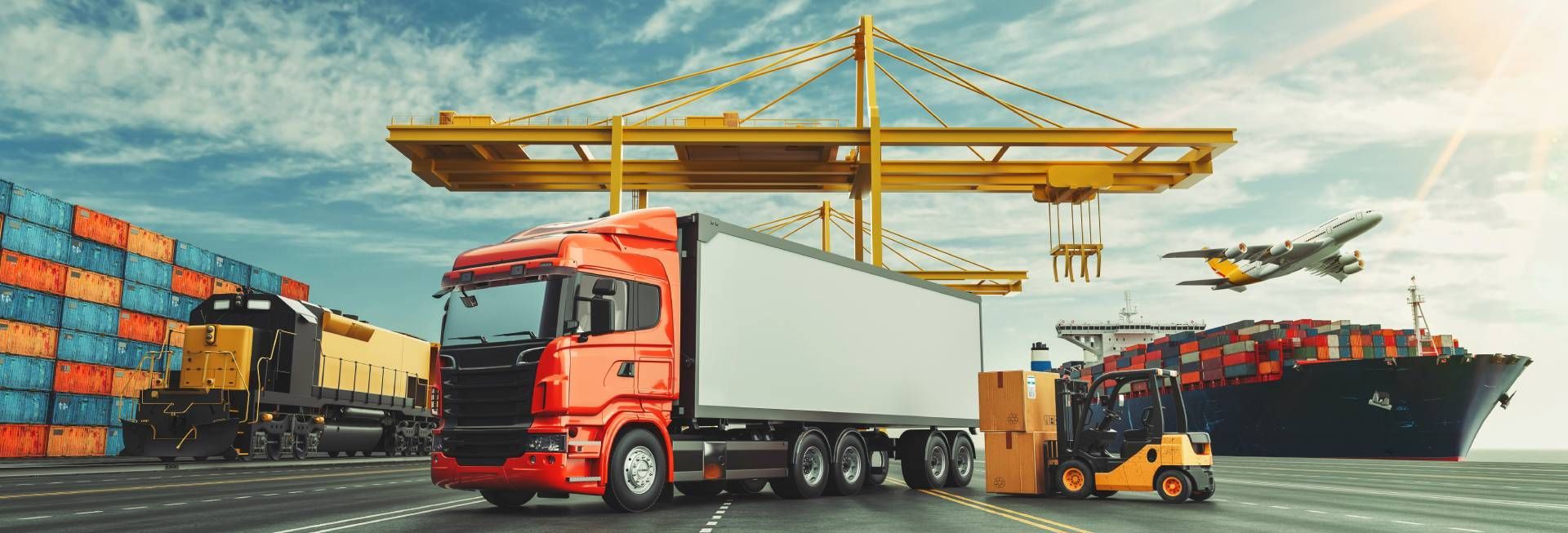
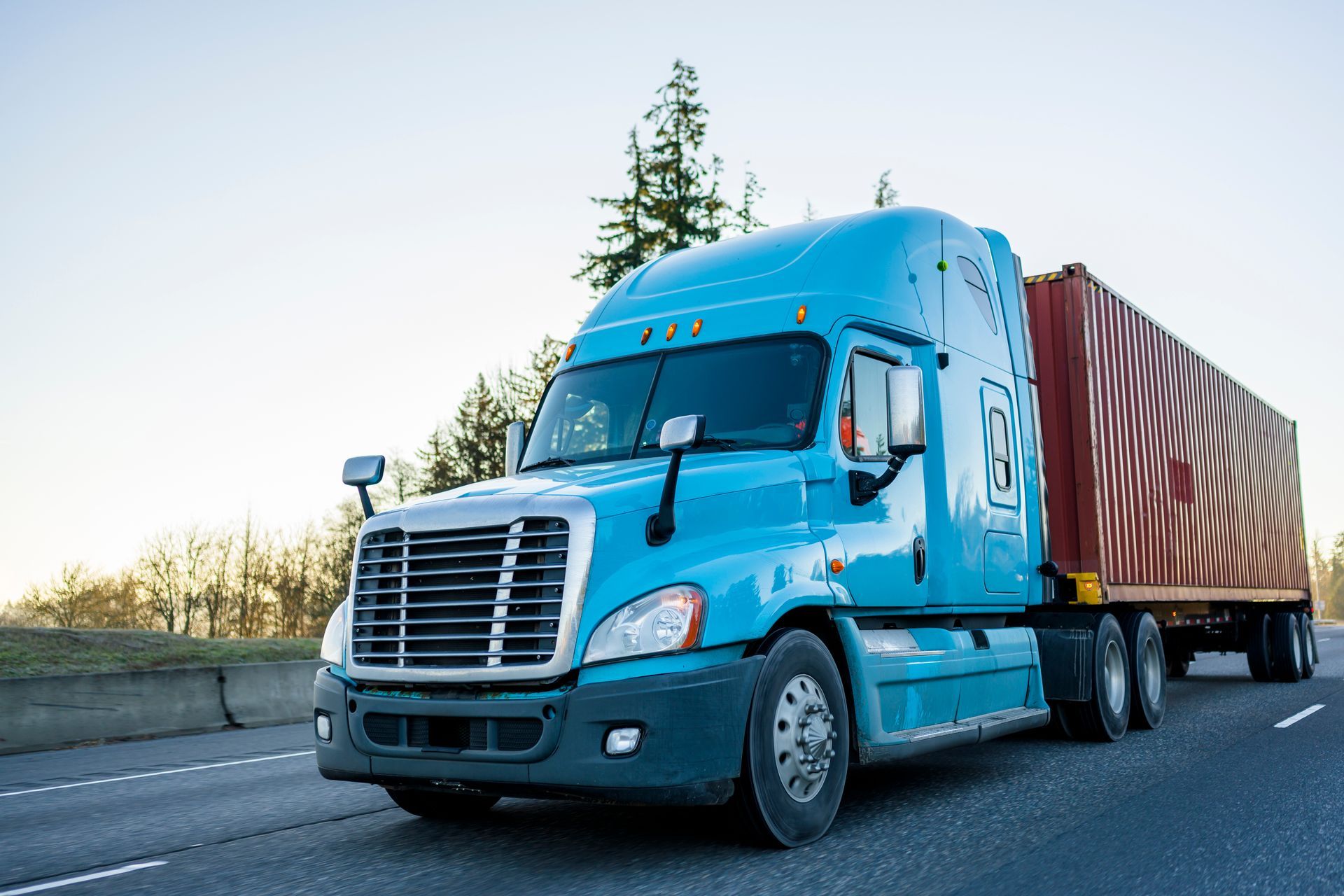
A carrier is the company that physically moves freight. Trucking firms, railroads, airlines, and ocean lines all qualify because each owns or operates the equipment used to haul freight.
When trucking, rail, or ocean carriers accept a load, they issue a bill of lading, a document that serves as both a receipt and the contract between the shipper and the carrier. Air carriers use an air waybill instead. Many carriers specialize in one mode, so a trucking company covers the highway while an ocean line handles the crossing.
The Forwarder’s Role in Third-Party Freight
A freight forwarder is a company that arranges the movement of goods on a shipper’s behalf, organizing the trip without driving the truck or sailing the ship. In this role, the forwarder manages third-party freight services by hiring carriers, coordinating each leg of the delivery, and taking responsibility for the shipment from pickup to destination.
How Forwarders Manage Third-Party Freight Documentation
Missing or incorrect paperwork can leave cargo at a port for days. To prevent that, forwarders prepare or collect documents such as the commercial invoice, packing list, and certificate of origin, along with any required export filings, before the freight moves. Customs officials use the commercial invoice to help determine duties and may cross-check the cargo against the packing list, so the two documents must match.
For international shipments, forwarders also coordinate customs clearance, either by working through a licensed customs broker or by holding a broker license of their own to help prevent goods from stalling at the border.
Routing and Carrier Coordination Across Shipping Modes
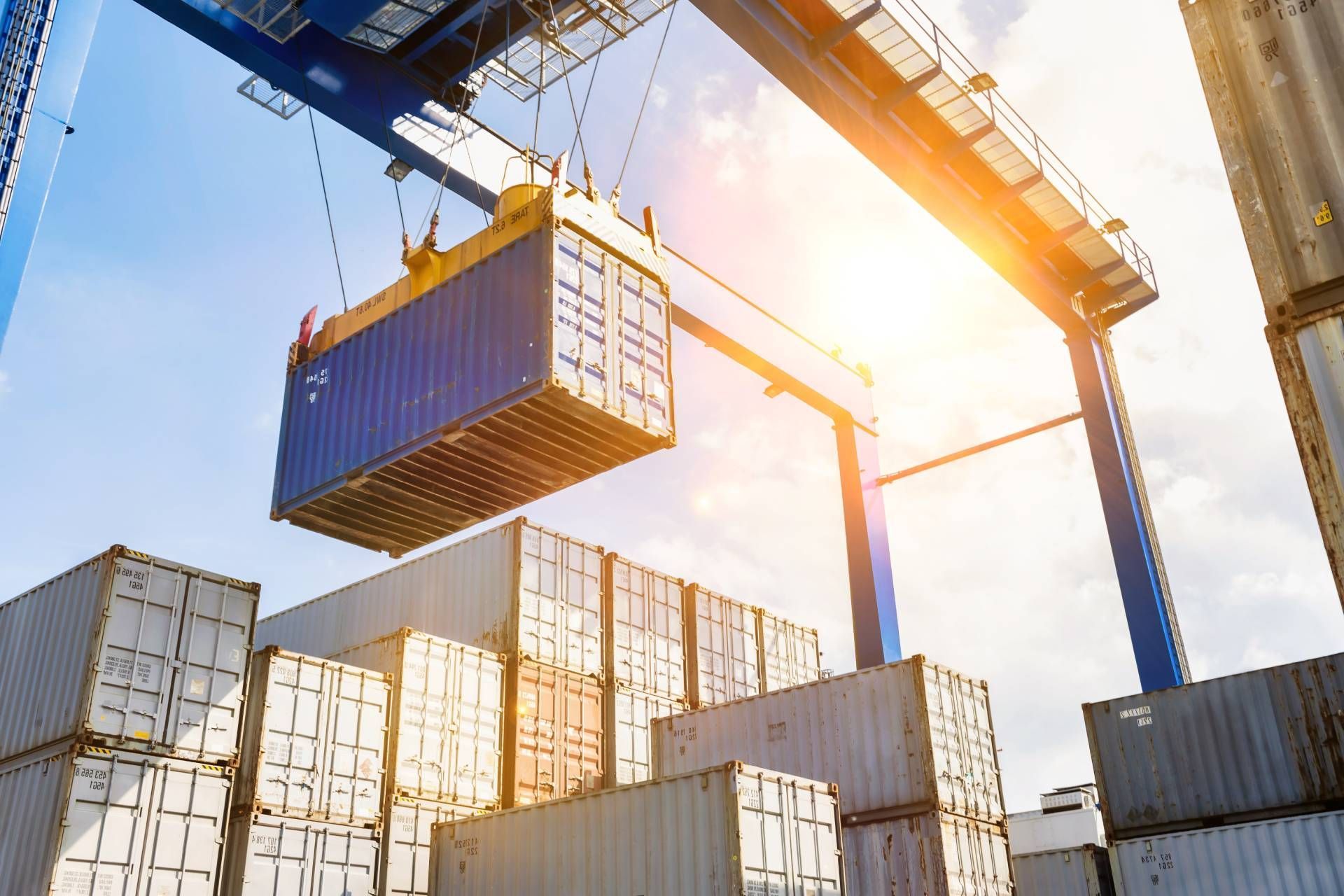
Every route must balance cost, speed, and risk. A forwarder might send a container by ocean freight to a West Coast port, move it inland by rail, and complete delivery by truck, choosing each leg based on the shipper’s deadline and budget. Smaller shipments from several customers can also share space on a single trailer via LTL freight, lowering the cost for each company.
Once a forwarder sets the plan, they book space, schedule pickups and handoffs, and track the freight from origin to destination. If a vessel runs late or a truck misses a connection, the forwarder can rebook the next leg, and the shipper enjoys a single point of contact throughout the process.
Carrying and Forwarding vs. Booking Directly with a Carrier
Booking directly with a carrier works well for a single job. In that arrangement, the shipper negotiates rates, prepares the paperwork, and manages a single relationship, which can keep costs low for straightforward deliveries.
Complications increase when freight changes modes or crosses a border. A shipper booking directly must manage each handoff separately, whereas a forwarder handles those connections and can draw on a broader carrier network to secure additional capacity during peak season. The best choice depends on shipment volume, complexity, and the amount of staff time a company can spare for logistics.
Put Carrying and Forwarding to Work for Your Bottom Line
When you need help with transportation and forwarding, C & S Transportation coordinates truck, rail, air, and ocean freight for businesses that want a single partner from pickup to delivery. Our team handles documentation, plans efficient routes, and partners with trusted carriers to keep cargo moving on schedule. Beyond freight coordination, we offer freight billing and auditing, logistics management, and network planning.
Contact us in Nicholasville, Kentucky, for coast-to-coast service in the United States.